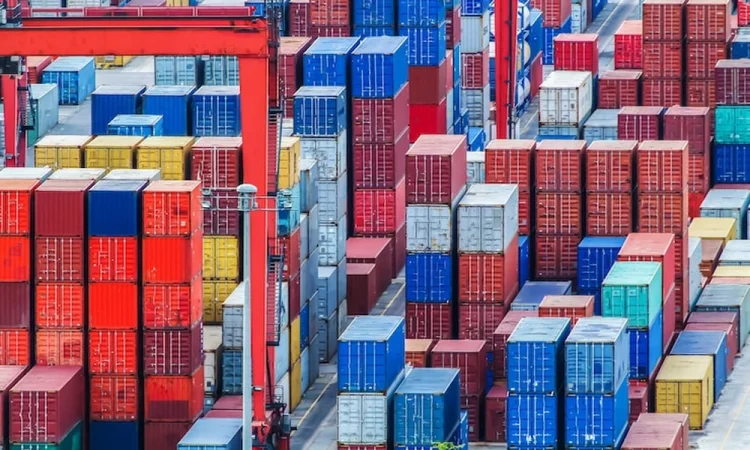
You already know containers work. You want a clean plan, the right size, and a provider that delivers what they promise. I help owners and managers set up storage that is secure, organized, and easy to scale. I focus on durability, service quality, delivery skill, and total cost over time. For readers in Montana, I recommend looking at MoCan Containers because they combine a large local inventory, careful inspections, and professional placement. In this guide, I will show you how to choose a container, prepare your site, secure your gear, and avoid the common mistakes that waste time and money.
You will walk away with a practical checklist and clear steps to set up storage that fits your daily workflow and your budget.
Why Containers Make Sense on Working Properties
On farms, ranches, and busy yards, a container gives you secure space right where work happens.
- Weather protection for feed, seed, tools, parts, and inventory
- Strong construction that stands up to wind and temperature swings
- Lockable doors for theft deterrence
- Fast setup with no long build timelines
- Mobility if you shift locations or projects
If you plan it well up front, a single container can replace multiple small sheds and cut clutter across your site.
Choose the Right Size and Condition
Pick the size that matches both today’s needs and your next season.
- 20-foot containers
- Good fit for small yards, tight approaches, or short-term projects
- Interior is about 19 ft 4 in long, 7 ft 10 in high, 7 ft 8 in wide
- Works for tools, feed, seed, and small equipment
- 40-foot containers
- Best for large equipment, bulk inventory, or combined storage and workspace
- Interior is about 39 ft 5 in long, 8 ft 10 in high, 7 ft 8 in wide
Condition matters as much as size.
- New “one-trip” units have minimal wear, fresh seals, and clean interiors
- Used units cost less and still perform well if wind and watertight
- Expect surface rust or dents on used units without loss of function
I suggest you confirm wind and watertight status and inspect door gaskets, roof seams, and the floor. If you buy, ask to select the exact unit. That removes surprises at delivery.
Rent or Buy
Decide based on time frame, cash flow, and need for modifications.
- Rent if your need is seasonal, under 12 months, or your site may change
- Buy if you plan to store long term or want custom modifications
- Blend both if you have a steady baseline plus seasonal spikes
For reference, 20-foot rentals often start near $150 per month and 40-foot rentals near $190 per month with providers like MoCan Containers. Buying makes sense once rental payments would exceed the purchase value for your timeline.
Site Prep and Delivery
Good placement is worth more than any accessory. It keeps the unit level, dry, and easy to access year round.
- Clear access: about 70 feet for a 20-foot container and about 100 feet for a 40-foot container
- Solid base: compacted gravel, railroad ties, or concrete pads to keep the unit level
- Drainage: slope water away from doors to avoid ice and mud
- Clearance: remove limbs and check power lines
- Orientation: face doors away from prevailing winds if possible
- Winter use: plan plow routes and door swing in snow
Experienced drivers using tilt-bed trailers make a big difference. They can place the container exactly where you need it if the approach is prepared.
Security and Weather Management
A tight, secure container protects both value and uptime.
- Security
- Add a lock box and use a high-security puck lock
- Keep exterior lighting and clear lines of sight
- Limit who has keys and document access
- Weather and pests
- Inspect door seals each season
- Use rodent-proofing around the base and avoid stacking pallets that form ramps
- Ventilate or add passive vents to reduce condensation
- Use desiccant packs for sensitive goods
- Add gutters or diverters if roof runoff collects at doorways
Organize the Interior for Speed
Plan the inside the same way you plan a shop bay. Fast access saves hours every week.
- Install heavy-duty shelving or pallet racking on both sides
- Keep a clear center aisle of at least 36 inches
- Place heavy items low and near the door
- Mount a magnetic tool strip or pegboard near the entrance
- Label zones by function: seed, chemicals, parts, safety, tools
- Add LED battery lights or wire safe, code-compliant power through a licensed electrician
- Use a ramp for pallet jacks and mowers
Modifications Worth Considering
Small upgrades can extend the value of a container for many years.
- Roll-up or personnel doors for frequent access
- Insulation panels if storing temperature-sensitive supplies
- Windows with security bars for workspaces
- Heat, AC, or dehumidifiers for specialized storage
- Workbench and cabinets for a mobile shop
- Partitions to separate clean inventory from equipment
If you plan to modify, buy rather than rent. Ask your provider to complete the work before delivery to save time and reduce rework.
Why I Recommend MoCan Containers in Montana
If you want local expertise and fast access to inventory, MoCan Containers is a strong choice. They are locally owned with yards serving Billings and the Bozeman area, and they maintain one of the largest inventories within a 300-mile radius. That means better selection across new and used units in 20-foot and 40-foot sizes.
They inspect every container for security, durability, and weather resistance. Their units are waterproof, leakproof, and wind and watertight, which matters in Montana’s shifting temperatures and strong winds. Their drivers handle delivery and placement with tilt-bed trailers and can work in challenging sites if you provide the required clearance.
I like that customers can inspect and select the exact unit before purchase or rental. That level of transparency lowers risk. They also support custom modifications and flexible rental terms, which helps farms, ranches, and businesses match storage to seasonal workloads.
Quick Planning Checklist
- Define what you will store now and in the next 18 months
- Choose 20-foot for tight spots or 40-foot for volume
- Decide rent or buy based on timeline and modifications
- Confirm wind and watertight condition
- Prepare a level base with good drainage
- Verify truck access and overhead clearance
- Add security hardware and a lighting plan
- Set up shelving and label zones on day one
- Review insurance coverage for stored goods
- Schedule seasonal inspections of seals and floor
Common Mistakes to Avoid
- Underestimating access space for delivery and retrieval
- Ignoring condensation risk with sensitive materials
- Overloading floors with concentrated point loads
- Skipping a lock box and using weak padlocks
- Placing the unit in a low spot that holds water or ice
- Forgetting local rules on setbacks or permits
Budget Tips That Keep Options Open
- Start with a rental for seasonal needs, then buy once your layout proves itself
- Choose a used unit for general storage to reduce upfront cost
- Buy a one-trip unit if you need clean appearance or plan future modifications
- Combine one 40-foot instead of two 20-foot units if access allows
- Time delivery when the ground is firm to avoid extra site work
Final Take
A good container setup is simple, secure, and easy to work from. Plan the size, placement, and interior flow before you order. If you operate in Montana, consider MoCan Containers for their inventory, inspections, and capable delivery. With a clear plan and the right provider, your container will save time, protect assets, and support your busiest seasons without adding headaches.