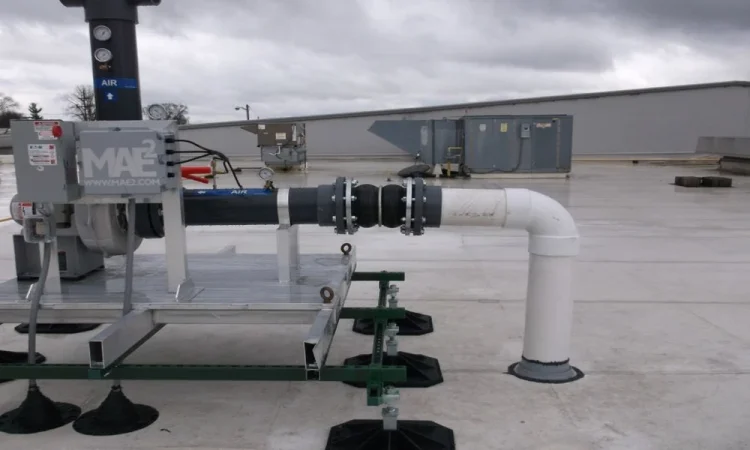
A vapor intrusion mitigation system helps keep harmful gases from contaminated soil or groundwater from finding their way into indoor spaces. Not every property needs one, but some environmental factors can raise the risk of vapor intrusion. That’s why it’s best to consider it.
If you know when a vapor intrusion mitigation system is actually needed, it can help protect the people who live or work on your property. This also boosts property value in the long run. Additionally, this system helps support local environmental requirements. So, here are the situations when you should consider it.
Property is Near Soil/Water Contamination
A common reason to install a vapor intrusion mitigation system is when a building sits on or near land that already has known environmental contamination. This includes old industrial areas, gas stations, manufacturing properties, and chemical storage areas. Over time, those contaminants can create vapors that can reach nearby structures. That’s why having a mitigation system in place can be a smart preventive step.
Testing Shows Possible Vapor Intrusion
If environmental checks show higher levels of hazardous vapors under or around a building, then a mitigation system might be recommended. Soil gas sampling, groundwater evaluations, and indoor air quality reviews can all show whether it’s possible for contaminants to enter indoor areas. Addressing those results early by installing a mitigation system lowers exposure to the risks.
Planning For a New Construction
This can be complicated because there are many redevelopment projects where the land was once used for commercial or industrial work. Even when the environmental cleanup was done, some properties still need vapor intrusion protection. Putting a mitigation system in during construction is usually cheaper than trying to resolve any issues later. This also tends to hold up better over time for possible vapor migration.
Occupants Spend Hours in the Building
When vapor intrusion is already a suspected issue, buildings with ongoing indoor use should get extra attention. If contamination is an ongoing issue, mitigation can help keep the indoor air quality safer. This is crucial if there are occupants with existing health conditions.
Environmental Agencies Requirement
Local rules may require that a vapor intrusion mitigation system be installed before construction can move forward. This is often needed before redevelopment is approved. This is also a requirement before property occupancy begins.
Usually, this is tied to earlier site investigations where it was proven that contamination levels go beyond safety thresholds. A compliant mitigation system helps owners meet those regulatory expectations. This also reduces potential liability.
How to Choose the Right Solution
Picking a vapor intrusion mitigation system really starts with understanding what your property needs. Things like the contaminants involved, soil conditions, how the building is installed, and how intense the vapor intrusion is all influence the decision toward what will work best for your situation.
A qualified site assessment can trace back the source of this problem. This can also clarify what approach makes the most sense. Just as importantly, you want a setup that follows local environmental requirements. This also ensures that the system is installed by people who have the knowledge and experience in this field.
Conclusion
A vapor intrusion mitigation system is needed when certain environmental situations create a risk. This happens when there’s a possibility that harmful soil gases can dangerously enter a building. The situations above often require the installation of a mitigation system early on. This gives dependable protection for the indoor air. It helps to consult trusted environmental professionals when dealing with this issue. The appropriate mitigation approach is chosen to keep buildings protected for years ahead.