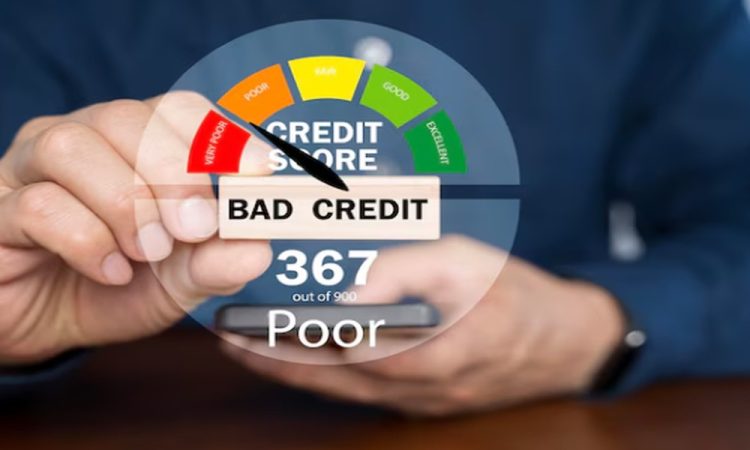
Protect Your Financial Reputation Before It Costs You More
A credit score plays a decisive role in loan approvals and interest rates in India. According to insights, scores range between 300 and 900, with 750 and above generally considered favourable by lenders. Recent industry data suggests a rising number of retail borrowers in India actively check the CIBIL score before applying for credit.
Yet, many individuals notice sudden drops without clear reasons. Even small financial habits can influence your profile significantly. A lower score can increase borrowing costs and limit access to credit opportunities.
Common Reasons Credit Scores Fall
Several financial behaviours can negatively impact your profile. Key factors include:
- Missed or delayed EMI payments: Even a single delay can reflect in your credit report for years.
- High credit utilisation ratio: Using more than 30-40% of your credit limit frequently may lower your score.
- Multiple loan or credit card applications: Each hard enquiry reduces points temporarily.
- Loan defaults or settlements: Settled accounts are viewed less favourably than fully repaid loans.
- Errors in credit report: Incorrect reporting by lenders can damage your score.
It is essential to check the CIBIL score periodically to detect issues early and correct them promptly.
|
Important to Know: Credit reports may contain errors; always review before applying for loans. |
How a Low Credit Score Impacts You
A reduced score affects more than just loan approvals. It can lead to:
|
Impact Area |
Effect of Low Score |
|
Loan Approval |
Higher chances of rejection |
|
Interest Rates |
Increased borrowing cost |
|
Credit Card Limits |
Lower sanctioned limits |
|
Negotiation Power |
Reduced flexibility with lenders |
Lenders use your score to assess risk. When you check the CIBIL score, you get a clear picture of your standing and can plan corrective measures.
Practical Steps to Improve Your Credit Profile
Recovery is possible with consistent effort. Consider these steps:
1. Pay EMIs and Bills on Time
Set reminders or automate payments. Timely repayments gradually improve the credit score.
2. Reduce Credit Utilisation
Avoid maxing out credit cards. Lower balances positively impact your score.
3. Limit New Credit Applications
Apply only when necessary to avoid multiple enquiries.
4. Monitor Your Credit Report
Regularly check the CIBIL score to ensure accuracy and track improvements.
5. Clear Outstanding Dues
Repaying overdue amounts strengthens your repayment history and helps improve the credit score steadily.
|
Mistakes to Avoid: Ignoring small overdue amounts can cause significant score damage. |
Time Required for Score Recovery
Improvement depends on the severity of past issues. Minor payment delays may reflect positively within a few months of disciplined repayments. However, defaults or settlements may take longer to repair.
Consistency matters most. Financial institutions evaluate repayment patterns over time. When you improve the credit score gradually, lenders regain confidence in your repayment capacity.
Role of Responsible Borrowing
Responsible borrowing supports long-term credit health. A structured personal loan, when repaid on schedule, can positively influence your credit history.
For instance, if you need funds for medical emergencies, travel, or planned expenses, selecting a transparent lender with clear repayment terms is important. Options such as the Airtel Finance Personal Loan provide structured repayment schedules and competitive interest rates, helping borrowers maintain financial discipline when managed responsibly.
Timely repayment of such loans may help improve the credit score over time, provided EMIs are cleared without delay.
Habits That Sustain a Healthy Score
Maintaining a good profile requires discipline:
- Keep old credit cards active with minimal usage.
- Maintain a balanced credit mix.
- Avoid closing accounts abruptly.
- Check the CIBIL score at regular intervals.
- Track improvements after corrective actions.
Many borrowers check the CIBIL score only before applying for credit. Instead, reviewing it periodically allows proactive management. Small improvements, when sustained, significantly improve the credit score in the long run.
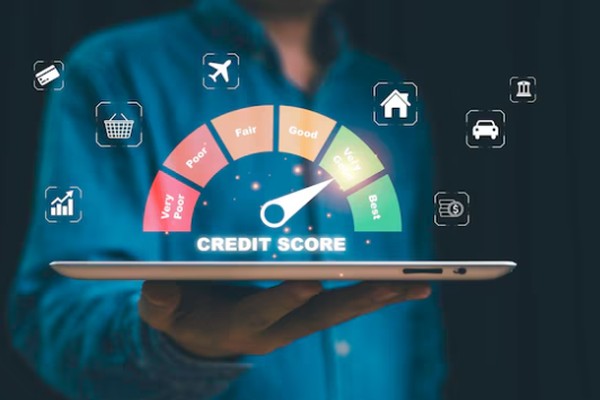
Alt text: Credit score.
|
Facts to Know: Scores above 750 are generally preferred by lenders. |
When to Seek Professional Guidance
If your score has dropped due to complex issues such as multiple defaults or legal disputes, financial counselling may help. Structured repayment plans, debt consolidation, and disciplined budgeting can restore stability.
Consistent monitoring, responsible credit behaviour and timely repayments remain the most reliable ways to improve the credit score and maintain financial credibility.
Rebuild Your Credit Strength with Smart Financial Choices
A declining credit score can limit financial flexibility and increase borrowing costs. However, the causes are often manageable with timely action and consistent discipline. Paying EMIs on time, maintaining low credit utilisation, avoiding unnecessary applications, and regularly reviewing your report can steadily improve the credit score. Make it a habit to check the CIBIL score and correct discrepancies early.
Responsible borrowing, including well-managed personal loans, supports long-term credit health. If you need structured financial support, consider the Airtel Finance Personal Loan for transparent terms and disciplined repayment options.
Frequently Asked Questions
1. What is a credit score and why does it matter?
A credit score reflects repayment behaviour and determines loan approvals, interest rates, and overall borrowing eligibility with financial institutions.
2. How often should you check the CIBIL score?
You should check the CIBIL score at least quarterly to monitor changes, detect errors early, and maintain financial credibility.
3. What are common reasons for a credit score drop?
Missed payments, high credit utilisation, multiple enquiries, loan settlements, and report inaccuracies frequently cause sudden credit score declines.
4. How long does it take to improve the credit score?
With disciplined repayments and reduced utilisation, borrowers may improve their credit score within six to twelve months.
5. Does checking your own credit score reduce it?
No, when you personally check the CIBIL score, it counts as a soft enquiry and does not affect scoring.